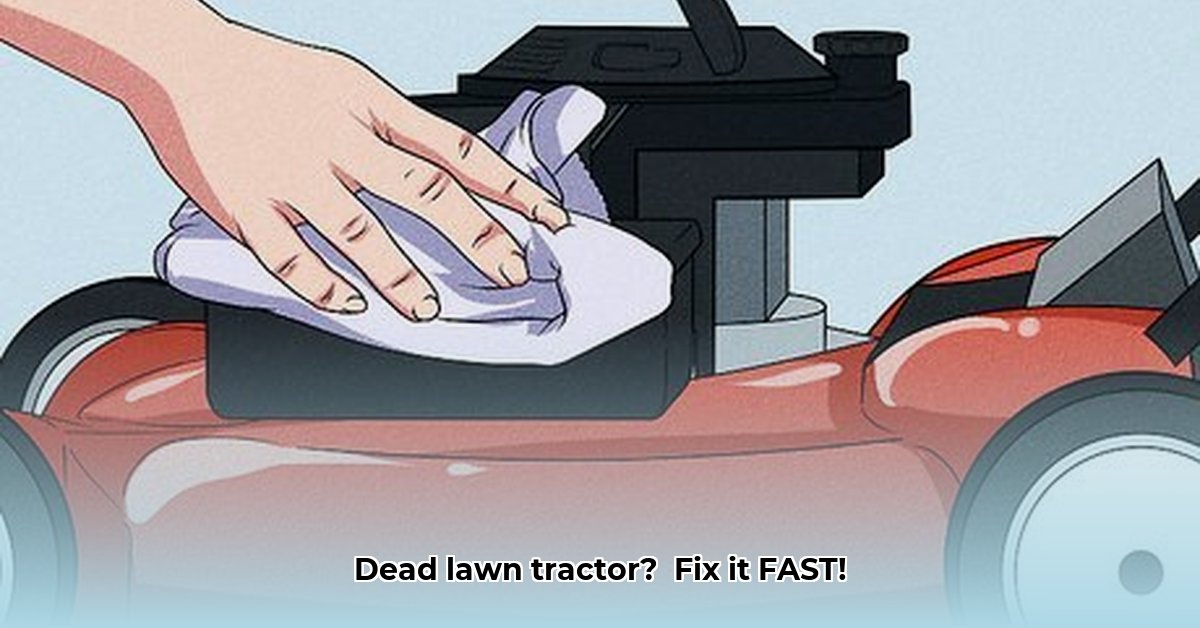
Is your lawn tractor sputtering, choking, or refusing to start? A dirty carburetor is a common culprit, but don't despair! Cleaning it yourself is often easier and far cheaper than professional repair. This step-by-step guide will have your mower running smoothly again in no time. We'll cover both a quick cleaning method and a more thorough deep clean, depending on your comfort level and the severity of the problem. For more advanced troubleshooting, check out this helpful resource: lawn tractor maintenance.
Why Clean Your Carburetor?
A dirty carburetor restricts fuel flow, leading to poor engine performance – sputtering, loss of power, difficulty starting, and even engine failure. Cleaning it yourself can save you hundreds of dollars compared to professional repair, especially if the problem is relatively minor. Isn't that worth a little DIY effort?
Gather Your Supplies
Before you begin, gather these essential tools and materials. Having everything ready will make the process much smoother.
| Tool/Material | Description | Where to Buy |
|---|---|---|
| Carburetor Cleaner | Dissolves grime and clogs in the carburetor. | Auto parts stores, online retailers |
| Small Nylon Brushes | For gently scrubbing away stubborn dirt from small carburetor parts. | Auto parts stores, craft stores, online retailers |
| Compressed Air | Blows away loose debris. | Auto parts stores, home improvement stores, online retailers |
| Shop Rags/Paper Towels | For wiping and cleaning. | Most stores |
| Safety Glasses | Essential eye protection from sprays and flying debris. | Hardware stores, online retailers |
| Gloves (Nitrile Preferred) | Protect your hands from chemicals and gasoline. | Hardware stores, online retailers |
| Fuel Line Disconnect Tool | (Optional) For safely disconnecting fuel lines. Only needed for Method 2. | Auto parts stores, online retailers |
| Screwdrivers (Various Sizes) | (Optional) For removing and reinstalling carburetor components (Method 2). | Hardware stores, online retailers |
Method 1: Quick Clean (In-Situ Cleaning)
This method is ideal for minor clogs and requires no carburetor removal. Perfect for beginners!
Safety First!: Disconnect the spark plug wire to prevent accidental starting. Work in a well-ventilated area and wear safety glasses and gloves.
Prepare the Area: Cover the area with rags to catch any spills.
External Cleaning: Use a brush and carburetor cleaner to scrub the exterior of the carburetor thoroughly.
Spray and Soak: Carefully spray carburetor cleaner into the air intake and fuel inlets. Let it sit for 5-10 minutes.
Air it Out: Use compressed air to gently blow out loosened debris.
Reassemble and Test: Reconnect the spark plug wire and test your engine.
Method 2: Deep Clean (Carburetor Removal)
For more stubborn clogs, you may need to remove the carburetor. This requires slightly more mechanical skill. Consult your tractor's manual for specific removal instructions.
Careful Removal: Remove the carburetor, taking photos as you go to aid reassembly.
Locate Jets: Identify the small jets (fuel passages) – these often clog.
Clean the Jets: Use small brushes and compressed air to clean jets thoroughly. Never use metal tools.
Reassemble and Test: Carefully reassemble and retest your engine.
Troubleshooting
- Engine Still Runs Poorly: If the problem persists, the carburetor may require professional repair or replacement. Other engine issues might also be present.
- Engine Won't Start: Double-check fuel supply, air filter, and all connections.
Preventative Maintenance: A Stitch in Time Saves Nine
Regular maintenance is key! Use fuel stabilizer, especially during storage. Change the air filter regularly and consider annual tune-ups. These steps significantly extend engine life and prevent costly problems.
Key Takeaways
- A dirty carburetor dramatically reduces your lawn tractor's performance.
- DIY cleaning saves money compared to professional repair.
- Simple cleaning methods often solve the problem without carburetor removal.
- Regular maintenance prevents future issues.
- Safety is paramount – always prioritize safety when working with fuel and chemicals.